
The day of the Manchester synagogue terror attack in October coincided with the peak of recorded antisemitic incidents in the UK in 2025. On that day, a spike of 40 antisemitic incidents was report, followed by 40 the following day. It illustrates yet again that antisemitism breeds antisemitism. The figures, released this week, show that 2025 was the second highest year on record for Jew-hatred in the UK.
The annual report by Community Security Trust (CST) shows that 3,700 antisemitic incidents took place across the country, a 4% increase on the year before. The only year in which figures were higher was 2023, when antisemitism increased dramatically in the immediate aftermath of the October 7th terror attack by Hamas on Israel – even before Israel responded militarily.
CST recorded over 200 incidents every month in 2025, something that had only previously happened during short wartime spikes.
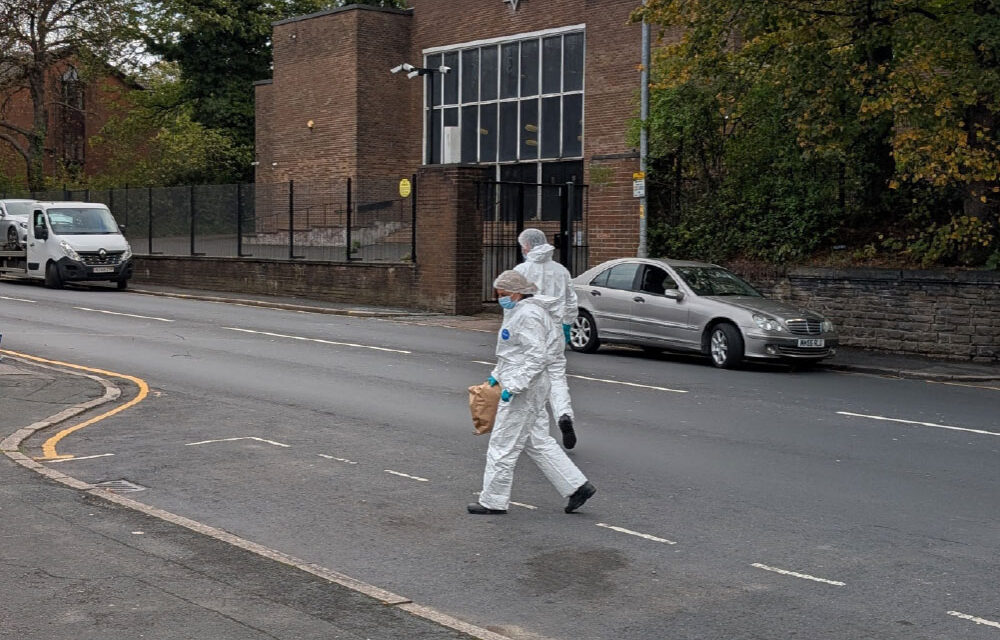
The 2025 figures show that 40 antisemitic incidents were logged on the same day, Yom Kippur, as the deadly antisemitic terror attack on Heaton Park Synagogue in Manchester, with a further 40 the following day. More than half of these either directly referenced or celebrated the attack which resulted in the deaths of two congregants, Adrian Daulby and Melvin Cravitz. A similar, but smaller spike in December was recorded in the immediate aftermath of the terror attack against Jews at Bondi Beach, Sydney, as they celebrated Hanukkah.
The pattern is sobering. These major antisemitic attacks do not result in the wider rejection of Jew-hatred, they fuel it.
The majority of incidents involved abusive behaviour, including verbal harassment, threatening conduct and antisemitic graffiti. However, the report also documented a deeply concerning number of violent assaults, demonstrating that hatred of Jews is not confined to rhetoric alone but continues to manifest in physical violence.
Online antisemitism remained a major contributor to the overall total, with social media platforms continuing to serve as a primary vehicle for spreading anti-Jewish conspiracy theories, Holocaust denial, and extremist propaganda. CST notes that online abuse frequently spills into real-world intimidation.
Jewish schools, synagogues, and community centres remained frequent targets of antisemitic activity. CST recorded numerous incidents involving threatening behaviour near Jewish educational institutions, often occurring during school arrival and dismissal times. Such incidents highlight the particular vulnerability faced by Jewish children and families, and the growing necessity of security provisions at Jewish sites across the country.
Greater London and Greater Manchester accounted for 61% of all antisemitic incidents logged in 2025, although incidents of Jew hate were recorded in every mainland police region in the UK. Other areas with a significant number of incidents included Leeds (89) Borehamwood and Elstree in Hertfordshire (61) and Birmingham (58).
There were a number of antisemitic incidents in the period around the decision by West Midlands police to ban Maccabi Tel Aviv supporters from attending a match in Birmingham against Aston Villa in November 2025.
Mark Gardner, CST Chief Executive, said: “Two years of intense anti-Jewish hatred culminated in a Jihadi terror attack at a synagogue on the holiest day of the Jewish calendar. The terror attack then triggered even more antisemitism, showing the depths of extremism faced by Jews and all our British society. All of this makes CST even more determined to keep protecting our community, giving it strength and dignity so it can lead the life of its choice.”